

Why we exist
How we build on the internet has changed a lot lately
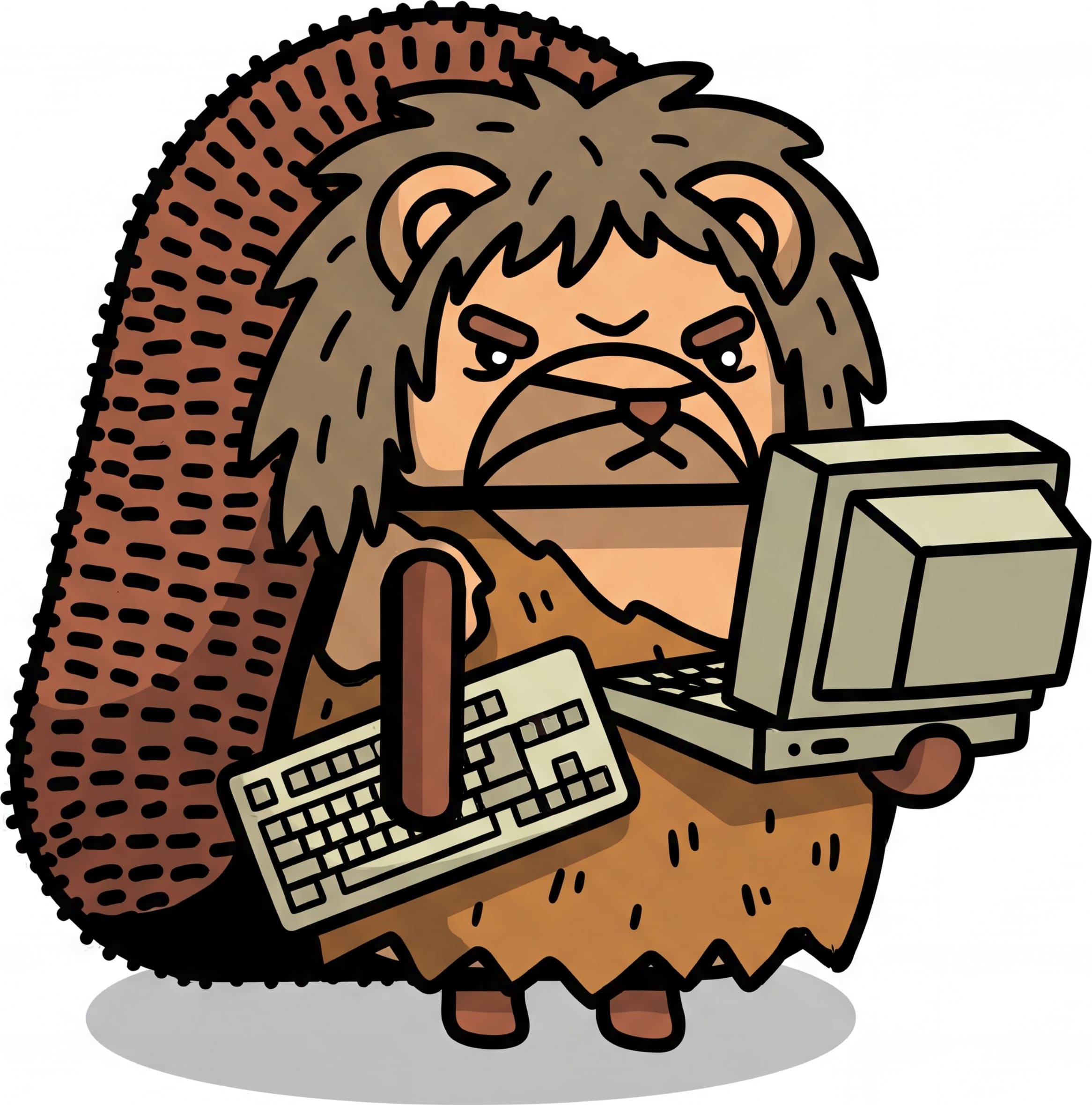
1995 - 2020
The prehistoric days of software development
Analytics, A/B testing, error tracking, and other dev tools required manual implementation using dozens of vendors. (Entire companies were built just around routing data various places!)

2020 - 2024
Multi-product SaaS companies
We started seeing consolidation in B2B SaaS. It became more common to have multiple tools in the same UI.

2025 - current
Just write a prompt
AI now makes it possible to both analyze data and build new features with tooling in place.
Product development used to mean manually writing code, running analysis, diagnosing bugs, and rolling out changes using dozens of tools. AI agents now do much of that work – but they're only as good as the context they're given.
But customer data is still siloed across dozens of services
Having detailed product usage data is one thing, but when other customer data lives in other services (like a CRM, ticketing system, and debugging tools – on top of your own database), you can't easily make informed product decisions from the full set of data without a lot of manual stitching together of services. And getting all these services working together is about as much fun as trying to understand somebody else's AI slop.
PostHog's data infrastructure is built for data engineers who need to build a robust and flexible data stack to house all their business data.
And because the data is seamlessly connected to PostHog's product ecosystem, product teams get to continue using the tools they love - like product analytics, feature flags, and surveys - all powered up by your clean & modeled data. It's, quite literally, the best of both worlds.
Make better decisions when your data lives all in one place
We've designed PostHog to be the single source of truth for product decisions. All our tools share the same underlying data. It can be used by product engineers, marketing folks, and the C-suite.
Your AI code editor can build based off actual usage data, not just an understanding of your codebase.
And if you're using PostHog Code, our Signals suite constantly scans for bugs, issues, and UX problems and creates pull requests to fix them – all automatically.